Robert Culp: The Life, Career, and Legacy of an Iconic Actor and Entertainer
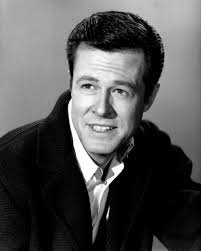
Robert Culp was an American actor, screenwriter, and director whose career spanned more than five decades, leaving a lasting impact on television, film, and popular culture. Born on August 16, 1930, in Oakland, California, Culp became widely recognized for his versatility, charm, and commanding screen presence. He appeared in numerous television series and films, earning acclaim for both his dramatic and comedic performances. Best known for his work on the groundbreaking television series “I Spy”, alongside Bill Cosby, Culp helped redefine action-adventure television during the 1960s while showcasing the ability to portray intelligent, resourceful, and multi-dimensional characters. Beyond acting, Culp contributed as a writer and director, demonstrating a deep understanding of narrative, character development, and cinematic technique. His career includes iconic roles in series such as “The Greatest American Hero”, guest appearances on a variety of procedural dramas, and roles in feature films that highlight his range, professionalism, and enduring appeal. This article explores Robert Culp’s early life, education, entry into acting, notable roles, collaborations, style and methodology, personal life, awards, impact on television and film, and legacy, offering a comprehensive look at the achievements and influence of one of Hollywood’s most respected actors.
Early Life and Education
Robert Culp grew up in Oakland, California, during a time of significant social and cultural change in the United States. His family background emphasized education, discipline, and a strong work ethic, which influenced Culp’s approach to his career and personal life. He attended Occidental College in Los Angeles, where he studied art and theater, immersing himself in performance techniques, literature, and creative expression. This academic foundation provided him with both technical skills and a broader understanding of storytelling, preparing him for the challenges of professional acting. During his college years, Culp cultivated a love for performance, participating in plays, developing his vocal and physical presence, and exploring various aspects of dramatic interpretation. This period of intellectual and artistic growth laid the foundation for a career marked by versatility, creativity, and critical recognition.
Early Acting Career and Breakthrough
After completing his studies, Robert Culp began pursuing acting professionally, starting with stage productions and small television roles. His early work included appearances in anthology series and live television dramas, where he honed his craft and learned to adapt to the technical demands of screen acting. Culp’s breakthrough came with his role in the television series “I Spy” (1965–1968), where he starred alongside Bill Cosby. This series was notable for its innovative blend of espionage, action, and humor, and it broke new ground by featuring an African American actor in a co-starring role during a period of significant social change. Culp’s portrayal of Kelly Robinson, a suave, intelligent spy, demonstrated his ability to combine charisma, sophistication, and physicality, earning him critical acclaim and popular recognition. His chemistry with Cosby, sharp dialogue delivery, and improvisational skills helped make “I Spy” a cultural touchstone and cemented Culp’s reputation as a leading actor of his generation.
Signature Roles and Notable Television Work
Beyond “I Spy,” Robert Culp had a prolific career in television, with numerous roles that showcased his range and versatility. He appeared in “The Greatest American Hero” (1981–1983) as FBI agent Bill Maxwell, delivering a performance that balanced humor, authority, and warmth. Culp also made guest appearances on a variety of procedural dramas, westerns, and crime series, including “Columbo,” “The Outer Limits,” “The Rockford Files,” and “Hawaii Five-O”, often portraying characters with intelligence, charm, or subtle moral complexity. His work in television highlighted his ability to adapt to diverse genres, from action and suspense to comedy and drama, earning him a lasting reputation as a reliable and skilled performer who could elevate any production. These roles reinforced Culp’s status as a versatile actor capable of delivering memorable performances, whether in leading roles, co-starring positions, or guest appearances.
Film Career and Cinematic Contributions
In addition to television, Robert Culp appeared in numerous films that demonstrated his versatility as a performer. He took on roles in dramas, thrillers, and comedies, often portraying intelligent and sophisticated characters who were central to the narrative. Films such as “Bob & Carol & Ted & Alice” (1969) and “The Pelican Brief” (1993) showcased his ability to navigate complex storylines, deliver nuanced performances, and engage audiences with subtle expressions and timing. Culp also contributed as a writer and director in select projects, emphasizing his understanding of cinematic storytelling and character development. His film career, though sometimes overshadowed by his television success, demonstrated a commitment to artistic excellence, professionalism, and a willingness to explore varied roles, ensuring that his work remained relevant across multiple decades.
Collaborations and Industry Relationships
Robert Culp’s career was marked by significant collaborations with other actors, directors, and writers, most notably his partnership with Bill Cosby on “I Spy.” This collaboration was groundbreaking and demonstrated Culp’s ability to work synergistically with co-stars, balancing personality dynamics and performance strengths to create compelling narratives. He also maintained professional relationships with directors and producers, contributing to both creative decision-making and narrative development. His collaborative spirit extended to mentorship and support for younger actors, reflecting his commitment to fostering talent and contributing positively to the entertainment industry. Culp’s relationships within the industry not only enhanced his career but also helped shape the productions in which he participated, leaving a legacy of professionalism and collegiality.
Acting Style and Methodology
Culp’s acting style combined classic training, improvisation, and natural charisma, allowing him to inhabit characters fully while maintaining authenticity. He often emphasized subtle expressions, body language, and vocal modulation to convey complex emotions or intentions, whether in dramatic or comedic contexts. His performances were marked by attention to detail, timing, and narrative awareness, ensuring that his characters contributed meaningfully to the storyline. Additionally, Culp’s background in theater provided him with a solid foundation in stagecraft and character study, which translated effectively to the screen. This methodological approach allowed him to balance technical proficiency with naturalistic performance, making him a standout figure in both television and film.
Personal Life and Interests
Outside of his professional career, Robert Culp led a life marked by intellectual curiosity and cultural engagement. He had a deep interest in writing, directing, and creative exploration, and he pursued personal projects that reflected his artistic sensibilities. Culp was known for his dedication to family and his thoughtful approach to public life, maintaining a private yet influential presence in Hollywood. His personal values, combined with his professional discipline, helped him navigate the challenges of a demanding industry while maintaining integrity and respect among peers.
Awards and Recognition
Throughout his career, Robert Culp received numerous accolades for his contributions to television and film. His work on “I Spy” earned him Emmy nominations and critical acclaim, while other performances brought recognition from industry organizations and fan communities. Beyond formal awards, Culp’s impact is measured by his enduring influence on television storytelling, his role in advancing diversity and sophistication in TV narratives, and his ability to leave a lasting impression on audiences. His accolades reflect not only talent but also a commitment to quality and artistic integrity.
Legacy and Cultural Impact
Robert Culp’s legacy extends far beyond his individual roles, encompassing his influence on television, film, and popular culture. He helped shape the action-adventure and procedural television genres, paving the way for more sophisticated storytelling and character development. His collaborations and performances contributed to greater diversity, nuanced narratives, and more complex portrayals of male leads, particularly in series that balanced intelligence, charm, and moral complexity. Culp’s work continues to inspire actors, writers, and fans, and his contributions remain a benchmark for excellence in both television and film.
FAQs
Who was Robert Culp?
Robert Culp was an American actor, screenwriter, and director known for his work in television and film, including the series “I Spy” and “The Greatest American Hero.”
When was Robert Culp born?
He was born on August 16, 1930, in Oakland, California.
What was Robert Culp famous for?
He was best known for his role as Kelly Robinson on “I Spy” and for his versatility across TV dramas, comedies, and films.
Did Robert Culp work in film as well as TV?
Yes, he appeared in numerous films, including “Bob & Carol & Ted & Alice” and “The Pelican Brief,” and contributed as a writer and director.
What awards did Robert Culp receive?
He received critical acclaim, Emmy nominations, and recognition from peers and audiences for his contributions to television and film.
What is Robert Culp’s legacy?
Culp’s legacy includes his influence on television storytelling, his role in diversifying and elevating on-screen narratives, and his lasting impact on actors and fans.
Conclusion
Robert Culp remains a landmark figure in American entertainment, whose career exemplified versatility, dedication, and artistic excellence. From his pioneering work on “I Spy” to his memorable roles in television and film, Culp combined charm, intelligence, and skill to create performances that resonate decades later. His legacy includes contributions to genre innovation, collaborative storytelling, and cultural impact, making him a model for professionalism and creativity in the entertainment industry. Robert Culp’s life and career continue to inspire audiences, actors, and creators, demonstrating the enduring power of talent, dedication, and narrative artistry in shaping television and film history.