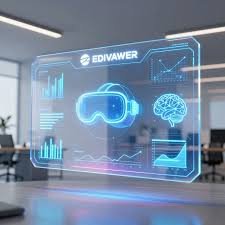
Edivawer: A Comprehensive Exploration of Its Technology, Applications, and Industry Impact
Edivawer is an emerging concept in modern technology and digital innovation, representing a platform, system, or methodology designed to enhance efficiency, improve workflow management, and provide versatile solutions across multiple industries. In today’s rapidly evolving technological landscape, organizations are increasingly seeking tools that combine automation, analytics, and operational intelligence to optimize processes, reduce errors, and increase productivity. Edivawer stands out in this environment as a system that merges advanced digital capabilities with practical applications, enabling users to manage complex tasks, streamline operations, and derive actionable insights from data. Its relevance spans industrial operations, digital platforms, and enterprise management, offering solutions that address both traditional challenges and emerging digital demands. Understanding Edivawer requires a detailed exploration of its technological framework, operational applications, advantages, challenges, and future potential. This article provides a comprehensive analysis of Edivawer, highlighting how it functions, its impact on contemporary workflows, and its significance in shaping industry practices in an increasingly digitalized world.
Origins and Development of Edivawer
The concept of Edivawer originated from the need to improve operational efficiency and integrate intelligent automation into workflows across various sectors. Initially developed as a tool for managing specific operational or digital tasks, it has evolved into a more robust and adaptable platform capable of handling diverse applications. Its development reflects a combination of technological innovation, practical engineering solutions, and iterative user feedback, ensuring that it meets the demands of modern industries. The evolution of Edivawer highlights the growing importance of platforms that not only automate tasks but also provide analytical insights, predictive capabilities, and adaptable interfaces, making it a solution that balances performance, precision, and versatility in complex operational environments.
Technological Framework and Core Features
Edivawer is built on a sophisticated technological framework that integrates automation, real-time analytics, and seamless connectivity. Core features often include cloud-based processing for scalability, intelligent monitoring systems, customizable dashboards, and predictive analytics that optimize workflows. Its algorithms can detect inefficiencies, automate routine tasks, and suggest corrective measures to enhance performance. Additionally, Edivawer supports integration with third-party software, enterprise systems, and digital platforms, allowing users to maintain operational cohesion across multiple environments. The platform’s combination of hardware and software intelligence ensures reliability, adaptability, and precision, making it a versatile solution for industrial, digital, and data-driven operations.
Industrial and Manufacturing Applications
In the industrial and manufacturing sector, Edivawer offers transformative benefits by streamlining production, enhancing quality control, and optimizing resource allocation. It can automate repetitive processes, monitor equipment in real-time, and adjust production parameters to maximize efficiency. Industries such as automotive, electronics, consumer goods, and aerospace can leverage Edivawer to improve output consistency, reduce downtime, and accelerate prototyping or testing cycles. By integrating predictive maintenance and real-time operational feedback, Edivawer enables manufacturers to maintain high standards of quality while reducing operational risks. Its applications illustrate the platform’s capacity to blend digital intelligence with physical production processes, enhancing both productivity and operational resilience.
Digital and Data Management Applications
Beyond physical production, Edivawer excels in digital and data-driven environments. Organizations can use the platform to automate data collection, monitor key performance indicators, and generate actionable insights for decision-making. Its analytics engine can identify patterns, predict potential inefficiencies, and suggest workflow improvements, ensuring that digital operations remain efficient and responsive. Integration with cloud infrastructure, collaboration tools, and enterprise software allows teams to work cohesively, scale operations, and maintain secure, accessible data. Edivawer’s role in digital management demonstrates its versatility as a platform capable of optimizing workflows, enhancing data intelligence, and supporting strategic operational decisions.
Efficiency, Productivity, and Quality Enhancement
A primary advantage of Edivawer is its ability to improve operational efficiency, productivity, and quality. Automated workflows reduce human error, accelerate task completion, and optimize the use of resources. Real-time monitoring ensures that processes are consistent, allowing for immediate corrective action when deviations occur. Predictive analytics provide insights into potential bottlenecks or risks, allowing proactive management of operations. These combined capabilities enable organizations to achieve higher productivity levels, maintain consistent output quality, and optimize performance across both industrial and digital domains. In highly competitive environments, Edivawer offers a strategic advantage by maximizing operational efficiency while maintaining adaptability and reliability.
Customization, Versatility, and Adaptability
Edivawer is designed to be highly customizable, versatile, and adaptable, making it suitable for a wide range of industries and operational contexts. Users can modify workflows, adjust parameters, and integrate specialized modules to meet specific project or industry requirements. Its compatibility with multiple platforms, software systems, and operational environments allows for seamless integration into existing workflows. This adaptability ensures that Edivawer remains relevant as organizational needs evolve, emerging technologies develop, and operational requirements change. Its versatility makes it a long-term solution for businesses seeking sustainable, efficient, and adaptable operational platforms.
Integration with Emerging Technologies
One of the defining strengths of Edivawer is its ability to integrate with emerging technologies, including artificial intelligence (AI), the Internet of Things (IoT), advanced automation systems, and cloud computing. AI-driven analytics enable smarter decision-making, workflow optimization, and predictive insights. IoT devices allow for real-time monitoring and feedback, enhancing operational visibility and responsiveness. Cloud-based infrastructure supports scalability, collaboration, and secure remote access. By combining these technological advancements, Edivawer creates an intelligent ecosystem that enhances productivity, reliability, and operational innovation, positioning itself as a forward-looking platform in a technology-driven industry.
Challenges and Considerations
Despite its advantages, Edivawer presents several challenges that organizations must address. Implementation costs and technical complexity can be significant, particularly for smaller operations. Proper training and continuous support are essential to maximize the platform’s potential. Maintenance, system updates, and cybersecurity measures must also be prioritized to ensure consistent performance and protect sensitive data. Additionally, adapting Edivawer to specific operational requirements may require additional customization and integration efforts. Addressing these challenges is critical to leveraging the full benefits of Edivawer while minimizing risks and ensuring sustainable performance over time.
Market Adoption and Industry Influence
Edivawer has experienced growing adoption across global markets due to its technological sophistication, versatility, and operational efficiency. Industries ranging from manufacturing and logistics to digital services and enterprise management leverage the platform to enhance productivity, optimize workflows, and improve decision-making. Its adoption highlights the increasing reliance on intelligent, automated systems capable of integrating with existing operations and driving measurable improvements. Edivawer’s presence in the market reflects broader trends in automation, digital transformation, and data-driven operational management, illustrating its significance as a modern technological solution.
Future Prospects and Innovations
The future of Edivawer is closely tied to advancements in AI, automation, IoT, and data analytics. Potential innovations include enhanced predictive capabilities, adaptive workflow optimization, greater integration with emerging platforms, and more intuitive user interfaces. These advancements could expand the platform’s applications, improve efficiency, and increase adoption across diverse sectors. By evolving alongside technological trends, Edivawer is positioned to maintain its relevance, offering organizations smarter, more efficient, and highly adaptable solutions for operational, industrial, and digital challenges.
Conclusion
Edivawer represents a modern, intelligent platform that combines automation, analytics, and adaptability to enhance productivity, efficiency, and quality in both industrial and digital environments. Its versatility, integration with emerging technologies, and focus on intelligent workflow optimization make it a valuable tool for organizations seeking operational excellence. While challenges such as implementation complexity, training, and cybersecurity exist, the benefits of automated processes, real-time monitoring, and predictive insights outweigh these considerations. As industries continue to embrace digital transformation and intelligent automation, Edivawer is poised to play a central role in shaping efficient, data-driven, and adaptable operational practices across diverse sectors.
FAQs
What is Edivawer?
Edivawer is a technology-driven platform designed to optimize workflows, improve productivity, and enhance operational efficiency in industrial, digital, and enterprise environments.
Who uses Edivawer?
It is used by manufacturers, engineers, data analysts, digital operations teams, and organizations seeking automation, efficiency, and data-driven decision-making.
What are the main applications of Edivawer?
Applications include industrial automation, workflow optimization, data management, predictive analytics, and operational efficiency improvement.
How does Edivawer improve productivity?
By combining automation, real-time monitoring, predictive analytics, and workflow optimization, Edivawer reduces errors, accelerates processes, and maintains high-quality outputs.
Can Edivawer integrate with other technologies?
Yes, it can integrate with AI, IoT, cloud computing, and enterprise software to provide a comprehensive, connected, and intelligent operational ecosystem.
What is the future potential of Edivawer?
Future potential includes advanced AI-driven insights, improved automation, expanded industrial and digital applications, and broader adoption across multiple sectors.