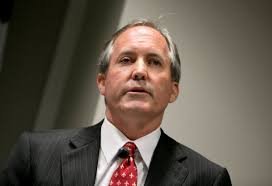
Ken Paxton – A Complete Overview of His Life, Career, and Political Impact
Ken Paxton is an American politician and attorney currently serving as the Attorney General of Texas, known for his conservative stance, legal expertise, and active involvement in state and national legal matters. Born and raised in Texas, Paxton has built a career that combines law, politics, and public service, emphasizing issues such as constitutional rights, state sovereignty, and regulatory oversight. Throughout his tenure, he has gained both national attention and controversy due to his legal challenges, policy decisions, and political positions. As Texas Attorney General, Paxton plays a crucial role in shaping the state’s legal landscape, influencing policies on healthcare, voting rights, immigration, corporate regulation, and federal-state relations. His career reflects a blend of legal acumen, political strategy, and advocacy for conservative principles, making him a prominent figure in contemporary American politics. This article explores Ken Paxton’s early life, education, legal and political career, key policy positions, controversies, achievements, leadership style, and influence, providing a detailed understanding of his role as a leading political and legal figure in Texas.
Early Life and Background
Ken Paxton was born on December 23, 1962, in Minot, North Dakota, and grew up in Texas, where he developed a strong connection to the state’s culture, values, and communities. His upbringing emphasized personal responsibility, civic engagement, and the importance of law and governance, which later influenced his career choices. Paxton was exposed early to political and legal discourse, fostering an interest in public service and the functioning of government institutions. His family environment and community involvement provided a foundation for understanding the challenges and opportunities inherent in both rural and urban Texas. These formative experiences shaped his worldview, instilling a belief in limited government, personal freedom, and the role of legal frameworks in safeguarding individual rights, which became central to his political philosophy.
Education and Early Career
Paxton attended Baylor University, where he earned a Bachelor of Arts degree, followed by a Juris Doctor degree from the University of Virginia School of Law. His education provided him with rigorous training in legal theory, constitutional law, and practical skills in litigation, advocacy, and regulatory analysis. Upon completing his studies, Paxton returned to Texas to practice law, specializing in corporate, securities, and business litigation. He gained a reputation for his legal expertise, analytical skills, and capacity to navigate complex regulatory and statutory environments. Paxton’s early professional experience included representing corporate clients, advising on legal compliance, and engaging in civil litigation, which equipped him with a deep understanding of legal processes and prepared him for public service. His legal background became a cornerstone of his later political career, shaping his approach to policy and governance.
Entry into Politics
Ken Paxton began his political career by leveraging his legal expertise and interest in public service to run for the Texas House of Representatives in 2002. As a state legislator, he focused on conservative priorities such as limited government, business-friendly policies, tax reform, and legal accountability. His legislative record demonstrated a commitment to reducing regulatory burdens, protecting property rights, and promoting transparency in governance. Paxton’s ability to articulate policy positions clearly, combined with his professional credibility as an attorney, helped him gain recognition within the Texas political landscape. This early period in politics allowed him to build a network of allies, understand the intricacies of state legislation, and position himself for higher office, ultimately leading to his election as Attorney General of Texas.
Election as Texas Attorney General
Ken Paxton was first elected Texas Attorney General in 2014, assuming office with a platform focused on defending the state’s laws, challenging federal overreach, and protecting individual freedoms. As Attorney General, Paxton’s responsibilities include representing the state in legal matters, enforcing state laws, providing legal counsel to state agencies, and engaging in litigation that impacts policy at both state and federal levels. His tenure has been marked by a proactive approach to legal challenges, often involving high-profile lawsuits against federal regulations, healthcare mandates, and other policies perceived as infringing on Texas sovereignty. Paxton’s election reflected the confidence of voters in his legal expertise, conservative values, and commitment to defending Texas interests, establishing him as a key figure in the intersection of law and politics.
Key Policy Positions and Legal Actions
As Texas Attorney General, Paxton has taken a prominent role in shaping policy and defending conservative legal principles. He has actively challenged federal regulations on healthcare, environmental standards, immigration, and education, asserting the primacy of state authority. Paxton’s office has filed lawsuits to protect voting regulations, oppose federal overreach, and defend religious freedoms, positioning Texas as a leader in conservative legal advocacy. Additionally, he has focused on consumer protection, corporate oversight, and enforcement of state laws governing businesses and nonprofit organizations. His policy positions reflect a consistent emphasis on constitutional rights, state sovereignty, and limited government intervention, while his legal actions demonstrate a willingness to engage in high-stakes litigation to achieve policy objectives.
Controversies and Legal Challenges
Ken Paxton’s career has also been marked by controversy, including investigations, lawsuits, and allegations related to securities violations and misconduct. These legal challenges have drawn significant public attention and debate, testing his political resilience and public image. Paxton has maintained that many allegations are politically motivated, framing his defense in terms of legal principles, due process, and the independence of state office. The controversies have fueled discussion about ethics, accountability, and the role of personal conduct in public service, illustrating the complex interplay between legal issues and political leadership. Despite these challenges, Paxton has continued to serve as Texas Attorney General, emphasizing his dedication to defending the state’s interests and pursuing a conservative legal agenda.
Leadership Style and Public Persona
Ken Paxton’s leadership style is characterized by assertiveness, strategic litigation, and a high-profile public presence. He frequently communicates policy positions through press conferences, public statements, and social media, using these platforms to articulate his legal and political philosophy. Paxton emphasizes accountability, state sovereignty, and proactive defense of conservative principles, often framing his actions in terms of protecting Texans’ rights and freedoms. His approach reflects a combination of legal expertise, political strategy, and public engagement, allowing him to influence both state policy and national discourse. While his style is often polarizing, it reinforces his identity as a steadfast defender of Texas law and a prominent voice in conservative legal and political circles.
Impact on Texas and National Politics
Paxton’s influence extends beyond state borders, as his legal challenges and policy initiatives have shaped discussions on federal-state relations, constitutional interpretation, and conservative governance nationally. His office’s actions have set precedents in areas such as healthcare, immigration, and voting regulations, impacting both Texas and other states considering similar legal strategies. Paxton’s prominence in the Republican Party has made him a reference point in national debates on state authority, regulatory limits, and the role of attorney generals in policy advocacy. His career illustrates how state-level officeholders can wield significant influence in shaping national legal and political landscapes, highlighting the intersection of law, policy, and political strategy.
Future Prospects and Political Vision
Looking ahead, Ken Paxton’s political vision emphasizes continued defense of Texas law, advocacy for conservative legal principles, and strategic engagement with federal regulatory frameworks. Analysts speculate about his potential influence in future national policy debates or higher office, based on his experience, visibility, and legal expertise. Paxton’s priorities include protecting individual freedoms, limiting government intervention, promoting economic growth, and maintaining the autonomy of Texas in matters of law and governance. His career trajectory suggests a continued focus on leveraging the Attorney General’s office as a platform for shaping both state and national policy, reinforcing his role as a leading conservative legal and political figure.
Frequently Asked Questions (FAQ)
Who is Ken Paxton? Ken Paxton is the Attorney General of Texas, an attorney, and a politician known for his conservative policy positions and active legal advocacy. When did he become Texas Attorney General? Paxton was first elected in 2014 and has been serving since January 2015. What are his main policy priorities? His priorities include defending state sovereignty, challenging federal regulations, protecting constitutional rights, and enforcing state law. What controversies has he faced? Paxton has faced allegations of securities violations, misconduct, and ongoing legal investigations, which he contends are politically motivated. What is his political affiliation? Ken Paxton is a member of the Republican Party.
Conclusion
Ken Paxton’s career as Texas Attorney General reflects a blend of legal expertise, political strategy, and conservative advocacy, positioning him as a prominent figure in both state and national politics. His actions have influenced debates on federalism, regulatory authority, and individual freedoms, while his leadership style emphasizes assertiveness, legal acumen, and public engagement. Despite controversies and legal challenges, Paxton has maintained a focus on advancing a conservative policy agenda, defending Texas law, and promoting limited government principles. His career illustrates the significant impact that state-level officeholders can have on national discourse and highlights the complex interplay between law, politics, and public perception. As Attorney General, Ken Paxton continues to shape the legal and political landscape in Texas, leaving a lasting influence on both state governance and broader national debates.