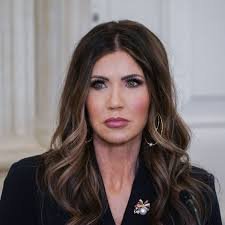
Kristi Noem – A Comprehensive Look at Her Life, Career, and Political Impact
Kristi Noem is an American politician, businesswoman, and public servant who has made a significant impact on both state and national politics through her leadership and policymaking. Born and raised in South Dakota, Noem’s journey from a family farm to becoming the first female governor of South Dakota reflects her dedication, resilience, and commitment to public service. Known for her conservative political stance, hands-on leadership style, and emphasis on economic development, Noem has garnered attention for her policies on agriculture, healthcare, education, and business growth. Her career spans service in the United States House of Representatives and her current role as governor, illustrating a trajectory that combines local roots with national influence. Noem’s political approach emphasizes individual responsibility, limited government intervention, and a strong focus on promoting economic opportunity, reflecting the values and priorities of her constituents. This article explores Kristi Noem’s early life, education, political career, policy initiatives, achievements, controversies, leadership style, and ongoing influence, providing a detailed understanding of her role as a prominent figure in American politics.
Early Life and Background
Kristi Noem was born on November 30, 1971, in Watertown, South Dakota, and raised on her family’s farm, where she gained firsthand experience with agriculture, rural life, and the values of hard work and community involvement. Growing up in a close-knit environment, Noem learned the importance of responsibility, perseverance, and self-reliance, qualities that would later shape her approach to leadership and governance. From an early age, she participated in farm operations, community activities, and civic engagement, which instilled a deep appreciation for the challenges faced by rural communities. Her upbringing in South Dakota provided her with a grounded perspective on economic development, resource management, and community priorities, which became central themes in her political platform. The combination of family values, hands-on work experience, and exposure to local issues created a strong foundation for her career in public service.
Education and Early Career
Noem pursued higher education at South Dakota State University, earning a degree in political science, which provided her with a formal understanding of governance, policy analysis, and public administration. Her academic training complemented her real-world experience on the family farm and her engagement in community activities, equipping her with the tools to navigate complex political environments. Following graduation, Noem worked in the agricultural sector and small business management, gaining practical experience in economic planning, organizational management, and entrepreneurship. These professional experiences enhanced her understanding of the challenges faced by farmers, small business owners, and rural communities, and they informed her later policy decisions. By combining education with hands-on professional experience, Noem developed a unique perspective on balancing economic growth, resource management, and public policy, which would become a defining characteristic of her political approach.
Entry into Politics
Kristi Noem’s entry into politics began with her election to the South Dakota House of Representatives, where she served her constituents with a focus on conservative values, fiscal responsibility, and local economic development. Her early political career was marked by a commitment to representing rural communities, supporting agricultural initiatives, and promoting small business growth. During this time, she gained recognition for her ability to communicate effectively, build consensus, and address the concerns of her constituents. Her success in the state legislature provided the foundation for her later election to the United States House of Representatives, where she expanded her influence and began addressing issues on a national scale. Noem’s early political involvement demonstrates her ability to connect local experience with broader legislative priorities, emphasizing pragmatic solutions and community-centered governance.
Service in the U.S. House of Representatives
Kristi Noem served in the United States House of Representatives from 2011 to 2019, representing South Dakota’s at-large congressional district. During her tenure, she focused on policies related to agriculture, rural development, tax reform, and regulatory reduction, advocating for initiatives that supported her constituents’ economic interests. Noem earned a reputation as a conservative lawmaker committed to fiscal responsibility and limited government intervention, often emphasizing policies that empower individuals and businesses. She served on key committees, participated in legislative debates, and sponsored bills that addressed both local and national concerns, reinforcing her status as an influential voice in Congress. Her time in the House allowed her to gain experience in federal policymaking, expand her political network, and build a platform for her subsequent gubernatorial campaign.
Election as Governor of South Dakota
In 2018, Kristi Noem was elected as the first female governor of South Dakota, making history while reinforcing her commitment to conservative governance, economic development, and rural representation. Her gubernatorial campaign emphasized limited government, individual freedom, support for agriculture and small businesses, and policies that attract investment and tourism to the state. Since taking office, Noem has implemented initiatives focused on workforce development, education reform, infrastructure improvement, and healthcare access, often highlighting the importance of personal responsibility and local decision-making. Her leadership style combines hands-on engagement with strategic policymaking, reflecting her belief that government should serve as a facilitator rather than a controller of economic and social activity. Her election marked a milestone in South Dakota politics while providing a model of leadership that resonates with her conservative base.
Key Policy Initiatives
Governor Noem has prioritized policies that strengthen South Dakota’s economy, promote business growth, and enhance the quality of life for residents. Her administration has focused on workforce development programs, incentivizing investment, expanding tourism, and supporting agricultural innovation. Education policy under her leadership emphasizes choice, accountability, and practical skill development to prepare students for diverse career opportunities. Noem has also advocated for tax reforms and regulatory reductions designed to stimulate economic activity while maintaining fiscal responsibility. In healthcare, she has emphasized accessibility and affordability, particularly in rural areas, while promoting policies that encourage private sector solutions. These initiatives reflect Noem’s consistent commitment to conservative principles, economic empowerment, and a focus on practical solutions for the challenges faced by South Dakota communities.
Leadership Style and Public Persona
Kristi Noem’s leadership style is characterized by hands-on engagement, clear communication, and a focus on results-oriented governance. She often emphasizes personal accountability, community involvement, and direct interaction with constituents to understand their needs. Her public persona blends political pragmatism with strong advocacy for conservative principles, making her a recognizable figure both within South Dakota and nationally. Noem frequently communicates her policy priorities through media appearances, public speeches, and social media, using these platforms to connect with supporters and convey her vision for the state. Her approach to leadership emphasizes responsiveness, accessibility, and active problem-solving, reflecting her belief that effective governance requires both strategic planning and personal engagement.
Controversies and Public Debate
Throughout her political career, Kristi Noem has faced public debate and controversy regarding her policies, particularly on healthcare, pandemic management, and social issues. Some of her decisions, such as limiting government restrictions during the COVID-19 pandemic, sparked national discussion and drew both praise and criticism. Critics have questioned the long-term implications of certain policy choices, while supporters argue that her approach reflects a commitment to personal freedom and economic stability. These controversies highlight the complexities of governance in a politically diverse environment and demonstrate how Noem’s decisions often balance ideological principles with practical considerations. Navigating public scrutiny and political debate has been a recurring aspect of her career, contributing to her development as a resilient and strategic leader.
Impact and National Recognition
Kristi Noem’s influence extends beyond South Dakota, as she has become a nationally recognized figure within the Republican Party and conservative circles. Her leadership during her tenure as governor, legislative achievements, and public communication strategies have earned her recognition as an emerging voice in national politics. Noem’s advocacy for conservative policies, emphasis on economic development, and promotion of individual freedoms resonate with a broad base of supporters, while also generating discussion and analysis among political commentators. Her national visibility underscores her impact on contemporary political discourse, highlighting the role of state-level leadership in shaping broader ideological debates.
Future Prospects and Political Vision
Looking ahead, Kristi Noem’s political vision continues to focus on economic empowerment, conservative governance, and policies that strengthen rural communities. Analysts speculate about her potential role in national politics, including possible candidacies for higher office, based on her leadership experience, policy accomplishments, and public profile. Her ongoing priorities include education reform, workforce development, agricultural innovation, and fostering an environment that supports entrepreneurship and economic growth. Noem’s approach suggests a long-term commitment to policies that promote self-reliance, community engagement, and practical solutions to social and economic challenges. Her career trajectory demonstrates both ambition and a strategic approach to advancing her influence while remaining grounded in her home state’s priorities.
Frequently Asked Questions (FAQ)
Who is Kristi Noem? Kristi Noem is an American politician and the first female governor of South Dakota, previously serving in the United States House of Representatives. When did she become governor? She was elected governor in 2018 and assumed office in January 2019. What are her main policy priorities? Her priorities include economic development, education reform, healthcare access, workforce development, and agricultural innovation. What is her political affiliation? Kristi Noem is a member of the Republican Party. What controversies has she faced? Some controversies include her handling of the COVID-19 pandemic, social policy decisions, and debates over government regulation and economic priorities.
Conclusion
Kristi Noem’s career reflects a blend of grassroots experience, federal legislative service, and executive leadership at the state level, highlighting her commitment to public service and conservative principles. Her policies, leadership style, and public presence have positioned her as a prominent figure in contemporary American politics. Noem’s focus on economic development, education, healthcare, and rural empowerment illustrates her dedication to addressing the challenges faced by her constituents while promoting broader conservative values. Throughout her career, she has demonstrated resilience in navigating controversies, building political alliances, and advocating for her vision of governance. As a leader, Kristi Noem exemplifies the integration of local roots, legislative experience, and executive responsibility, making her an influential figure whose decisions continue to shape the political landscape in South Dakota and beyond.