Rowdy Oxford Lawsuit: Comprehensive Analysis, Legal Implications, and Industry Impact
The Rowdy Oxford lawsuit has become a prominent topic in both legal circles and public discourse, attracting attention due to its implications on personal accountability, business practices, and regulatory oversight. Lawsuits involving individuals or entities branded as “rowdy” often reflect broader issues, including social behavior, corporate responsibility, and the interpretation of civil and criminal law. In this case, the Rowdy Oxford lawsuit exemplifies the intersection of legal procedure, public opinion, and the rights and obligations of the parties involved. Understanding this lawsuit requires examining the context in which the events occurred, the claims and defenses presented, the legal precedents that may influence outcomes, and the potential societal and industry-wide ramifications. This article explores the lawsuit in depth, analyzing its origins, legal framework, the parties involved, key claims, defenses, court proceedings, potential outcomes, broader implications, and lessons for businesses, individuals, and the general public.
Background and Context
The origins of the Rowdy Oxford lawsuit are rooted in events that have drawn significant public and media attention. While specifics may vary depending on jurisdiction and reporting, lawsuits of this nature often involve allegations of misconduct, breach of contractual obligations, personal injury, or defamation. The context is essential for understanding why the case escalated to formal legal proceedings, including the timeline of incidents, parties involved, and prior attempts at dispute resolution. Background analysis often includes reviewing contracts, communications, and public statements that may have contributed to the conflict. Establishing this context allows for a clearer assessment of the claims and defenses and helps the public and legal observers understand the stakes and potential consequences of the case.
Parties Involved
The Rowdy Oxford lawsuit involves multiple parties, typically including the plaintiff(s) filing claims and the defendant(s) responding to allegations. Identifying the parties is crucial for understanding the dynamics of the case. Plaintiffs may include individuals who claim to have suffered harm, financial loss, or reputational damage, while defendants may consist of organizations, institutions, or individuals accused of wrongdoing. Each party brings a unique perspective, interests, and legal strategy to the proceedings. Lawyers representing these parties play a critical role in framing the claims, presenting evidence, and navigating complex legal frameworks. Understanding the stakeholders involved provides insight into the legal strategies, potential outcomes, and broader implications of the lawsuit.
Legal Framework and Claims
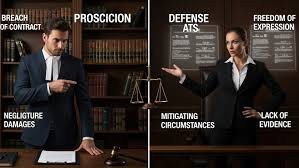
The legal framework underpinning the Rowdy Oxford lawsuit includes statutes, case law, and regulatory guidelines relevant to the claims filed. Common legal claims may involve breach of contract, negligence, personal injury, defamation, or other civil and possibly criminal considerations. Each claim requires careful examination of the applicable laws, precedents, and evidentiary requirements. Plaintiffs must demonstrate that the defendants’ actions caused measurable harm, while defendants often rely on legal defenses such as lack of evidence, statutory protections, or procedural challenges. The complexity of legal frameworks in such lawsuits underscores the importance of expert legal counsel, thorough documentation, and strategic litigation planning.
Court Proceedings and Case Development
The progression of the Rowdy Oxford lawsuit through court proceedings highlights procedural aspects of modern litigation. Initial filings, motions, discovery processes, depositions, and pre-trial hearings establish the foundation for trial. Each stage involves the presentation of evidence, witness testimony, legal arguments, and procedural rulings. Observing these proceedings provides insight into how legal systems handle complex disputes, manage evidence, and ensure due process. Court developments often influence public perception, media coverage, and the strategies adopted by both plaintiffs and defendants.
Defenses and Counterclaims
Defendants in the Rowdy Oxford lawsuit may employ a variety of defenses and counterclaims to mitigate liability or shift responsibility. Common defenses include challenging the credibility of evidence, disputing causation, invoking statutory immunity, or asserting that the plaintiff failed to meet legal requirements. Counterclaims may involve alleging damages caused by the plaintiff’s actions or asserting breaches of law or contracts by the opposing party. Analyzing these defenses provides a deeper understanding of legal strategy, risk management, and the negotiation dynamics that often precede settlement or trial resolution.
Potential Outcomes and Implications
The resolution of the Rowdy Oxford lawsuit could have significant consequences for all parties involved. Potential outcomes include dismissal, settlement, or a court judgment awarding damages, injunctions, or other remedies. Beyond the immediate parties, the lawsuit may influence industry practices, public policy, and legal precedent, particularly in areas such as personal accountability, corporate governance, and dispute resolution standards. Businesses and individuals observing the case may adjust their practices, contracts, or behavioral guidelines to mitigate risk, demonstrating the broader ripple effects of high-profile lawsuits on societal norms and professional standards.
Public Perception and Media Coverage
High-profile lawsuits like Rowdy Oxford attract media attention, shaping public perception and influencing the reputational stakes of those involved. Media coverage often emphasizes sensational elements, creating narratives that may impact public opinion, stakeholder confidence, and business relationships. Managing media attention, maintaining transparency, and balancing legal strategy with communication strategy are essential considerations for all parties. Public perception can also affect settlement negotiations, investor confidence, and the willingness of stakeholders to engage with the entities involved.
Lessons and Broader Significance
The Rowdy Oxford lawsuit illustrates broader lessons about legal preparedness, risk management, and accountability. For businesses, it highlights the importance of clear contracts, compliance procedures, and effective dispute resolution mechanisms. For individuals, it underscores awareness of personal liability, documentation, and the implications of behavior in public and professional settings. Legally, the case emphasizes the value of thorough evidence collection, strategic litigation planning, and the role of legal counsel in navigating complex disputes. These lessons extend beyond the courtroom, influencing professional practices, personal decision-making, and organizational policy development.
Conclusion
The Rowdy Oxford lawsuit is more than a singular legal dispute; it represents a convergence of law, public perception, and professional accountability. By analyzing the background, legal claims, court proceedings, defenses, potential outcomes, and societal implications, it becomes clear that lawsuits of this nature have wide-ranging impacts. They serve as a reminder of the importance of legal compliance, ethical conduct, and strategic preparedness in both personal and professional domains. For businesses, individuals, and legal professionals, the case offers insights into navigating complex disputes, managing public perception, and understanding the long-term consequences of legal actions in today’s interconnected world.
FAQs
What is the Rowdy Oxford lawsuit?
It is a legal case involving allegations of misconduct, breach of obligations, or personal and professional disputes surrounding the entity or individual known as Rowdy Oxford.
Who are the parties involved?
The lawsuit typically involves plaintiffs claiming harm or damages and defendants responding to allegations, with lawyers representing both sides.
What are the main legal claims?
Common claims include breach of contract, negligence, personal injury, defamation, or other civil and regulatory violations.
How does the legal process proceed?
Through filings, discovery, motions, depositions, pre-trial hearings, and potentially trial, with evidence and testimony presented at each stage.
What defenses might be used?
Defenses include disputing evidence, challenging causation, statutory protections, or procedural arguments, along with possible counterclaims.
What could be the outcomes of the lawsuit?
Outcomes may include dismissal, settlement, damages awards, injunctions, or rulings that establish legal precedents.
How does media coverage affect the case?
Media coverage shapes public perception, influences reputational stakes, and can indirectly affect settlement and negotiation strategies.
What lessons can be learned from the lawsuit?
Lessons include the importance of legal preparedness, documentation, ethical conduct, risk management, and strategic planning for businesses and individuals.