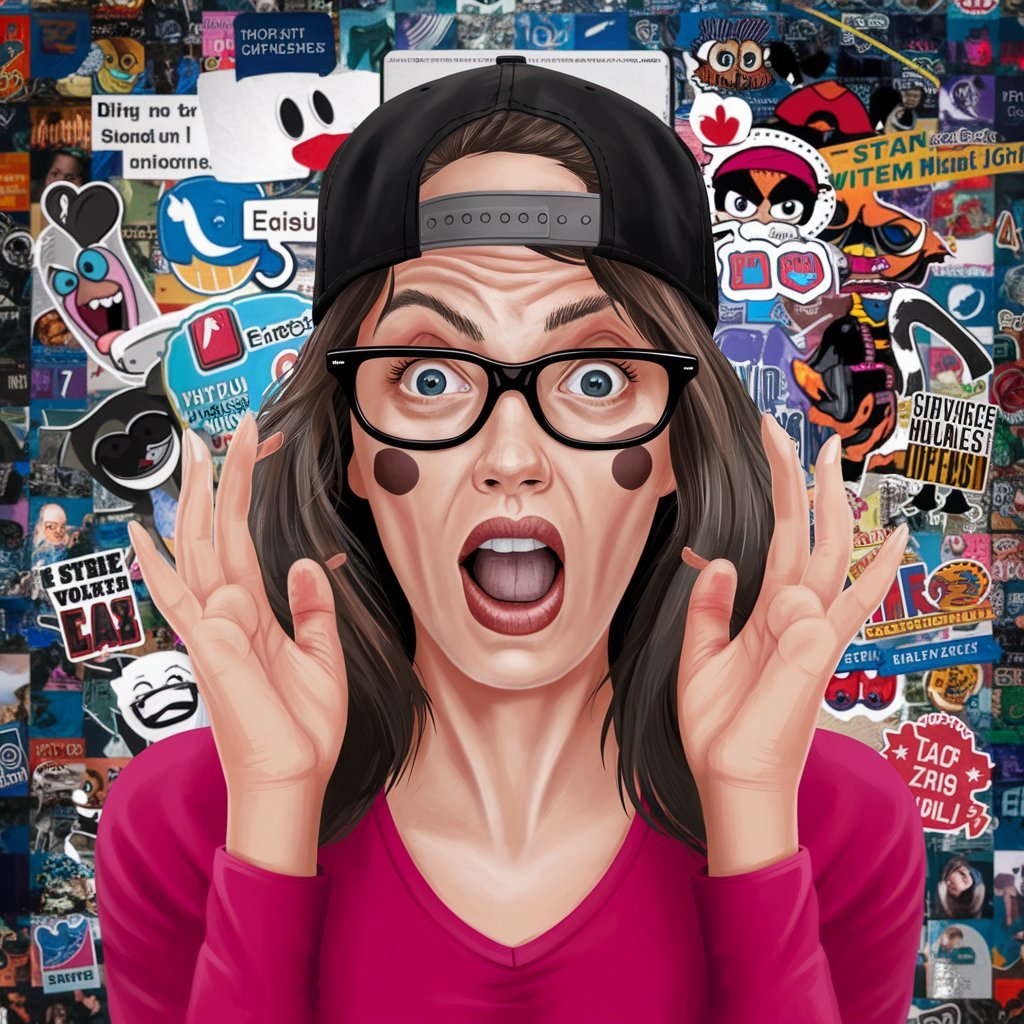
The Stan Twitter Meme Girl: A Deep Dive into an Iconic Fandom Phenomenon
In the vast and ever-evolving landscape of internet culture, few phenomena capture the essence of passionate fandom quite like Stan Twitter, a vibrant corner of the social media platform where dedicated fans, known as “stans,” congregate to celebrate, debate, and meme-ify their favorite celebrities, musicians, TV shows, and more. Emerging from the shadows of mainstream Twitter (now rebranded as X), Stan Twitter has become synonymous with obsessive enthusiasm, witty banter, and viral content that often spills over into broader pop culture.
At the heart of this subculture lies the stan twitter meme girl a seemingly innocuous photograph that transformed into a versatile reaction meme, embodying the unapologetic fervor of stans everywhere. This meme, featuring a young girl posing confidently with a designer bag, has been photoshopped, repurposed, and shared countless times to express unwavering support for various subjects, from K-pop idols to blockbuster films. Its origins trace back to a casual snapshot taken in 2016, but its enduring appeal speaks volumes about how everyday moments can ignite global trends in the digital age.
As we delve into this article, we’ll explore the intricacies of Stan Twitter, the birth and spread of this iconic meme, the real person behind it, and its lasting impact on online communities, all while highlighting how a single image can encapsulate the joy, humor, and sometimes chaos of fandom life. Whether you’re a seasoned stan or a curious outsider, understanding the Stan Twitter Meme Girl offers a window into the dynamic ways social media shapes our expressions of admiration and creativity, proving that memes are more than just laughs—they’re cultural artifacts that connect people across borders and interests.

Stan Twitter represents a specialized subset of the Twitter ecosystem where fans, or “stans,” engage in deep, often intense discussions and content creation centered around their idols, be it pop stars, actors, athletes, or even fictional characters from media franchises. The term “stan” itself originates from Eminem’s 2000 song of the same name, which depicted an overly obsessive fan, but over time, it has evolved into a badge of honor for those who proudly dedicate significant portions of their online presence to supporting their favorites.
On Stan Twitter, users craft elaborate threads analyzing lyrics, choreography, or plot twists; they organize fan wars to defend their biases against rivals; and they produce an endless stream of memes that serve as shorthand for complex emotions within the community. This space thrives on immediacy and interactivity, with trends rising and falling in mere hours, often amplified by algorithms that favor high-engagement content like polls, fan edits, and reaction videos. What sets Stan Twitter apart from general social media is its unfiltered passion—users here aren’t afraid to express extreme loyalty, sometimes bordering on the dramatic, which fosters a sense of belonging but can also lead to toxicity, such as cyberbullying or doxxing.
Despite these pitfalls, Stan Twitter has democratized fandom, allowing voices from diverse backgrounds to influence mainstream narratives, as seen in how fan campaigns have revived canceled shows or boosted album sales. Incorporating elements like GIFs, video clips, and custom emojis, the platform becomes a creative playground where memes like the Stan Twitter Meme Girl flourish, acting as universal symbols that transcend language barriers and unite stans in their shared enthusiasm.
Through this lens, Stan Twitter isn’t just a forum; it’s a cultural engine that powers modern pop discourse, reflecting societal shifts in how we consume and interact with entertainment in an increasingly connected world. Moreover, the community’s reliance on humor as a coping mechanism for both triumphs and setbacks—such as album leaks or award show snubs—ensures that memes remain at the forefront, evolving with each new viral moment to keep the conversation fresh and engaging.
The Origin Story of the Meme Girl
The Stan Twitter Meme Girl meme traces its roots back to February 6, 2016, when a then-15-year-old Ariana Renee Trejos, better known online as Arii or TheyLoveArii, uploaded a series of casual photographs to her Twitter account, capturing herself in a simple yet sassy pose against a plain white wall. Dressed in a white hoodie emblazoned with the word “Realist,” black pants, and clutching a black Michael Kors purse, Arii struck a confident stance with her right arm raised, a side ponytail, and a playful duck-face expression that exuded teenage nonchalance.
The caption accompanying the images was straightforward—”realist 💋”—accompanied by a link to the full set, but little did she know that one particular shot would catapult her into meme immortality. At the time, Arii was gaining traction as a Musical.ly (the precursor to TikTok) sensation, where her lip-sync videos and relatable content attracted a young audience, but it was this unassuming photo, taken by a friend before heading out to a family dinner, that resonated unexpectedly with the online world. The image’s appeal lay in its versatility: the pose screamed attitude and self-assurance, making it perfect for overlaying text that expressed fervent support or “stanning” for something or someone.
Early adopters on platforms like Tumblr and Twitter began editing the photo almost immediately, with the first known meme variant appearing on October 7, 2016, on Tumblr, where it referenced Chinese rapper Zhang Yixing, garnering modest attention before snowballing. By October 15, 2016, a Twitter user adapted it to hype the K-pop group Twice, marking the meme’s entry into the Stan Twitter lexicon.
This origin story highlights how serendipity plays a role in meme creation— a spontaneous moment intended for personal sharing became a canvas for collective expression, illustrating the unpredictable nature of viral content in the social media era. As the meme gained traction, its simplicity allowed for endless reinterpretations, cementing its place as a staple in fandom toolkits and demonstrating how everyday teenagers can unwittingly shape internet history through authentic self-presentation.
How the Stan Twitter Meme Girl Went Viral
The viral ascent of the Stan Twitter Meme Girl began modestly in late 2016 but exploded in 2017, particularly within K-pop fandoms, where stans are renowned for their prolific meme production and rapid dissemination across social networks. Initial spreads occurred on niche platforms like Tumblr and We Heart It, where users photoshopped text onto the image to declare their allegiance to groups like Twice and Blackpink, with one Blackpink variant from 2018 amassing over 220 likes on We Heart It alone.
The meme’s format—featuring Arii’s confident pose—lent itself perfectly to captions like “Me stanning [insert idol/group],” making it an ideal vehicle for expressing unbridled enthusiasm in a humorous, relatable way. As Stan Twitter grew in influence, the meme crossed over into broader pop culture circles, appearing in discussions about Western artists like Lady Gaga, where even corporations like the Brazilian bank Nubank utilized it in 2021 to promote her album ARTPOP, resulting in thousands of likes and retweets. This corporate adoption signaled the meme’s mainstream breakthrough, as brands recognized its power to engage young, digitally native audiences.
The resurgence in late 2024 further amplified its reach when Arii herself addressed the meme in an Instagram reel on December 4, 2024, jokingly lamenting how it haunted her from age 15 to 24, which quickly racked up over 4 million views in a single day. Social media algorithms played a crucial role in this virality, prioritizing content that sparked engagement through shares, edits, and reactions, while compilations on TikTok and YouTube, such as “Stan Twitter Meme Girl Compilation” videos from 2023, kept it circulating among new generations of users.
Factors like the meme’s adaptability to current trends—whether tying into award seasons, album drops, or fan debates—ensured its longevity, as stans continually refreshed it with contemporary references. Ultimately, the Stan Twitter Meme Girl’s viral journey underscores the symbiotic relationship between individual creativity and community amplification, where a single image can evolve into a global symbol through collective remixing and sharing, influencing how fandoms communicate their passions in an era dominated by visual storytelling.

Variations and Popular Uses of the Meme
Over the years, the Stan Twitter Meme Girl has spawned countless variations, each tailored to specific fandoms and cultural moments, showcasing the meme’s remarkable flexibility and enduring relevance in online discourse. Early iterations focused heavily on K-pop, with fans editing the image to feature group names or member biases, such as a February 2017 version hyping Twice or a 2018 edit celebrating Blackpink’s comeback, which highlighted how the meme served as a visual shorthand for excitement and loyalty within these tight-knit communities.
As it spread beyond K-pop, users adapted it for Western pop icons, TV shows, and even niche interests; for instance, Lady Gaga stans frequently used it to rally around her music, culminating in viral posts that blended the meme with album artwork or lyrics. On platforms like TikTok and Instagram, compilations emerged, such as a 2023 TikTok video by user @arii that compiled various Stan Twitter memes including this one, amassing views by tapping into nostalgia and humor. More creative uses involved layering effects like red filters or animations, as seen in GIF versions where the girl’s pose is exaggerated for dramatic effect, often in response to fan wars or award show outcomes. Reddit threads, like one from 2025 seeking a specific toy-related meme variant, illustrate how users actively hunt for and recreate versions to fit ongoing conversations.
In Stan Twitter threads, it’s common to see the meme deployed in self-deprecating ways, such as users joking about their own obsessive behaviors, or in celebratory contexts, like congratulating idols on milestones. This adaptability extends to marketing, where brands have co-opted the format to appear relatable, though this sometimes draws backlash for commodifying fan culture. Overall, the meme’s variations reflect the diverse ways stans express identity and community, turning a static image into a dynamic tool for connection, satire, and advocacy across the digital spectrum.
Meet Arii: The Real Girl Behind the Viral Meme
Ariana Renee Trejos, better known as Arii or TheyLoveArii, is the unwitting star of the Stan Twitter Meme Girl phenomenon, a former Musical.ly influencer whose teenage snapshot became a cornerstone of internet humor. Born in 2000, Arii rose to early fame on Musical.ly around 2016 through her engaging lip-sync videos and authentic personality, amassing a following that appreciated her relatable content about everyday life, fashion, and fun. The iconic photo stemmed from a casual moment when a friend captured her posing before a family dinner, intending it as lighthearted “content” for her socials, but it unexpectedly morphed into a meme that has followed her into adulthood.
In a 2023 TikTok video that garnered over 5.9 million views, Arii reflected on the experience, explaining how she was just being her 15-year-old self, emphasizing that the image was “deadass just a picture of me being 15 and being myself.” This candid revelation humanized the meme, showing that behind the viral facade is a real person who has grown alongside her digital legacy, now navigating life as a 24-year-old influencer still active on platforms like TikTok and Instagram. Arii’s journey post-meme includes collaborations, personal growth content, and occasional nods to her past, such as a December 2024 Instagram reel where she humorously acknowledged how the meme “haunts” her, blending nostalgia with self-awareness.
Despite the fame, she has maintained a grounded perspective, using her platform to discuss mental health, creativity, and the realities of online stardom, which resonates with fans who see her evolution from meme girl to empowered creator. Her story serves as a reminder of the human element in memes, where ordinary individuals can become symbols without intending to, and how embracing such serendipity can lead to positive personal narratives in the face of internet immortality.

The Cultural Impact of the Stan Twitter Meme Girl
The Stan Twitter Meme Girl has left an indelible mark on pop culture, serving as a testament to how memes can influence fandom dynamics, social media trends, and even broader societal conversations about celebrity worship and digital identity. By providing a humorous outlet for expressing intense fandom, the meme has normalized “stanning” as a valid form of engagement, encouraging users to celebrate their passions without shame and fostering inclusive communities where diverse voices can thrive. Its impact is evident in how it has inspired similar formats, such as other reaction memes featuring confident poses, which populate Stan Twitter timelines and spill into mainstream media, like award show coverage or music reviews.
Culturally, it highlights the power shift toward user-generated content, where fans dictate narratives rather than traditional media, as seen in successful campaigns that use such memes to boost visibility for artists. However, this influence isn’t without critique; the meme’s ubiquity has sparked discussions on consent and privacy, as Arii’s image was repurposed globally without initial permission, raising ethical questions about meme culture’s boundaries. In educational and sociological contexts, it’s studied as an example of viral phenomenology, illustrating how memes evolve through collective editing and adaptation, contributing to the lexicon of internet linguistics.
On a global scale, its adoption across languages and regions underscores memes’ role in bridging cultural gaps, with K-pop’s international fanbase accelerating its spread and integrating it into hybrid online-offline events like fan meets. Ultimately, the Stan Twitter Meme Girl’s legacy lies in its ability to capture the zeitgeist of modern fandom—playful, passionate, and perpetually evolving—while reminding us that in the digital age, a single image can spark movements, conversations, and connections that resonate far beyond its origins.
Conclusion
As we reflect on the journey of the Stan Twitter Meme Girl, it’s clear that this seemingly simple photograph has transcended its humble beginnings to become a cornerstone of online fandom culture, embodying the spirit of unapologetic enthusiasm that defines Stan Twitter. From its accidental creation in 2016 to its viral resurgences in subsequent years, the meme has woven itself into the fabric of digital expression, allowing countless users to articulate their passions through humor and creativity.
Arii’s story adds a layer of humanity, reminding us that behind every meme is a real person whose life intersects with the vast, unpredictable world of the internet. While challenges like privacy concerns persist, the positive aspects—community building, cultural bridging, and joyful self-expression—far outweigh them, ensuring the meme’s place in pop culture history. As social media continues to evolve, the Stan Twitter Meme Girl stands as a timeless symbol of how everyday moments can ignite global trends, inspiring future generations of stans to keep the conversation alive with wit, dedication, and a touch of sass.
Frequently Asked Questions
What is the Stan Twitter Meme Girl?
The Stan Twitter Meme Girl refers to a viral photograph of influencer Arii posing with a Michael Kors bag, which has been widely used as an exploitable meme format on Stan Twitter to express strong support or “stanning” for celebrities, music groups, TV shows, and other pop culture elements. It originated in 2016 and gained massive popularity in 2017, particularly among K-pop fans, before spreading to broader audiences.
Who is the girl in the Stan Twitter meme?
The girl in the meme is Ariana Renee Trejos, known online as Arii or TheyLoveArii. She was a 15-year-old Musical.ly star at the time the photo was taken in 2016. Arii has since addressed the meme in videos, explaining it was a casual snapshot that unexpectedly became iconic, and she continues to create content on TikTok and Instagram.
How did the Stan Twitter Meme Girl become popular?
The meme gained popularity through organic sharing on platforms like Twitter, Tumblr, and We Heart It, starting with K-pop fandoms in late 2016 and early 2017. Its versatile format allowed for easy editing, leading to variations that hyped various subjects. Resurgences, such as Arii’s 2023 and 2024 reflections on TikTok and Instagram, further boosted its visibility, amassing millions of views.
What are some famous variations of the meme?
Famous variations include edits for K-pop groups like Twice and Blackpink, Western artists like Lady Gaga, and even corporate uses by brands like Nubank. GIF versions with filters, compilations on TikTok, and self-deprecating fan posts are common, often tied to current events like album releases or fan debates.
Why is the Stan Twitter Meme Girl still relevant today?
The meme remains relevant due to its timeless appeal in expressing fandom enthusiasm, its adaptability to new trends, and periodic revivals through social media. It reflects ongoing discussions in pop culture about stanning, digital identity, and meme ethics, ensuring it continues to resonate with both old and new generations of online users.