Title: Tsunaihaiya: Exploring Meaning, Cultural Depth, and Creative Expression
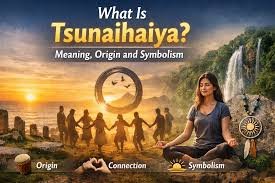
Tsunaihaiya is an intriguing concept that can be understood as a symbolic expression of connection, rhythm, unity, and cultural storytelling. In today’s globalized and interconnected world, unique terms like Tsunaihaiya often represent more than just words—they carry emotional depth, cultural meaning, and artistic significance. This concept may be interpreted in different ways depending on context, but at its core, Tsunaihaiya reflects harmony, movement, and collective energy, often associated with traditions, performance, or expressive art forms. Whether used in storytelling, music, or cultural expression, Tsunaihaiya represents the blending of emotion, rhythm, and human connection. This article explores Tsunaihaiya in detail, including its conceptual meaning, cultural relevance, creative applications, and its role in modern expression.
The Concept and Meaning of Tsunaihaiya
Tsunaihaiya can be understood as a concept that symbolizes connection and flow, where different elements come together to create harmony and unity. The term itself may evoke a sense of rhythm or chant-like expression, suggesting movement and coordinated energy. In many cultural interpretations, such expressions are often linked with group activities, storytelling traditions, or ceremonial practices where voices, sounds, or actions synchronize to create a shared experience. Tsunaihaiya reflects the idea that individual contributions, when combined, can produce something more powerful and meaningful. It emphasizes collaboration, unity, and the beauty of collective expression, making it a powerful symbolic concept in both artistic and cultural contexts.
Cultural and Traditional Significance
Tsunaihaiya carries cultural significance as it represents traditions that rely on collective participation and shared experience. In many cultures, rhythmic chants, group songs, or coordinated movements are used to celebrate events, tell stories, or express emotions. Tsunaihaiya can be seen as part of this broader tradition, where community and connection play a central role. These cultural expressions help preserve history, pass down knowledge, and strengthen social bonds within communities. The concept highlights the importance of unity and shared identity, showing how cultural practices can bring people together in meaningful ways. Through Tsunaihaiya, we can understand how traditions evolve while still maintaining their core values and significance.
Tsunaihaiya in Artistic Expression
In the realm of art, Tsunaihaiya can be interpreted as a form of creative expression that emphasizes rhythm, flow, and emotional connection. Artists may use this concept to inspire works that focus on movement, harmony, and interconnected elements. In music, Tsunaihaiya can be reflected through rhythmic patterns, chants, or group performances that create a sense of unity. In visual art, it may be represented through patterns, designs, or compositions that convey flow and balance. In performance art, Tsunaihaiya can be expressed through coordinated movements, storytelling, and emotional delivery. This artistic versatility allows Tsunaihaiya to transcend traditional boundaries and become a source of inspiration across multiple creative disciplines.
The Role of Tsunaihaiya in Communication
Tsunaihaiya also plays a role in communication, particularly in how people convey emotions, ideas, and messages through non-verbal or collective expression. In some contexts, communication goes beyond words and involves tone, rhythm, gestures, and shared experiences. Tsunaihaiya represents this type of communication, where meaning is conveyed through connection and participation rather than direct language. This form of communication can be powerful in building relationships, fostering understanding, and creating a sense of belonging. It highlights the importance of emotional expression and the ways in which people can connect without relying solely on spoken or written language.
Modern Interpretations of Tsunaihaiya
In modern contexts, Tsunaihaiya can be interpreted as a metaphor for collaboration, teamwork, and digital connectivity. In a world where people interact through technology, the concept of connection remains highly relevant. Tsunaihaiya reflects how individuals from different backgrounds can come together through online platforms, forming communities based on shared interests and goals. It also represents the flow of information, ideas, and creativity across networks, highlighting the importance of cooperation in achieving common objectives. Modern interpretations of Tsunaihaiya emphasize adaptability and innovation, showing how traditional concepts can evolve to remain meaningful in contemporary society.
Tsunaihaiya and Emotional Expression
Emotional expression is a key aspect of Tsunaihaiya, as it involves conveying feelings through rhythm, movement, and shared experiences. This concept allows individuals to express emotions in a collective way, creating a sense of unity and understanding. Whether through music, performance, or storytelling, Tsunaihaiya enables people to connect emotionally with others and share their inner experiences. This form of expression can be deeply impactful, as it resonates with audiences on a personal level. It also highlights the importance of empathy and emotional awareness in human interaction, making Tsunaihaiya a powerful tool for communication and connection.
The Future of Tsunaihaiya
The future of Tsunaihaiya lies in its ability to adapt and remain relevant in a rapidly changing world. As technology continues to advance, new forms of expression and communication will emerge, allowing Tsunaihaiya to evolve and expand its meaning. Digital platforms, virtual environments, and interactive media will provide new opportunities for people to experience and engage with this concept. Tsunaihaiya may also continue to influence artistic and cultural practices, inspiring new generations to explore themes of connection, rhythm, and unity. Its adaptability ensures that it will remain a meaningful and influential concept in the future.
Conclusion
Tsunaihaiya represents a powerful concept that embodies connection, rhythm, unity, and creative expression. It reflects the importance of collaboration, emotional communication, and shared experiences in both traditional and modern contexts. Through its cultural, artistic, and communicative significance, Tsunaihaiya highlights the beauty of human connection and the power of collective expression. As the world continues to evolve, this concept will remain relevant, inspiring new forms of creativity and interaction across different fields. Tsunaihaiya serves as a reminder that when individuals come together, they can create something greater than the sum of their parts.
FAQs
What is Tsunaihaiya?
Tsunaihaiya is a conceptual term representing connection, rhythm, unity, and collective expression.
Is Tsunaihaiya a real word?
It is a conceptual or symbolic term rather than a widely recognized formal word, used to represent ideas of harmony and connection.
Where can Tsunaihaiya be applied?
It can be applied in art, music, storytelling, communication, and cultural expressions.
What does Tsunaihaiya symbolize?
It symbolizes unity, collaboration, rhythm, and shared human experience.
What is the future of Tsunaihaiya?
It will continue to evolve with technology and culture, remaining relevant in modern creative and digital expressions.