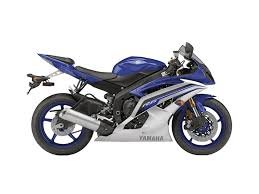
Yamaha R6: The Ultimate Sportbike Experience
The Yamaha R6 is a legendary supersport motorcycle renowned for its incredible performance, precision engineering, and racing pedigree. First introduced in 1999, the R6 has consistently been one of Yamaha’s most celebrated models, offering riders a combination of lightweight agility, aggressive styling, and advanced technology that has made it a favorite in both street and track environments. Designed to compete in the 600cc supersport category, the Yamaha R6 is engineered for enthusiasts who demand high-revving power, razor-sharp handling, and the thrill of high-performance riding. Over the years, it has evolved with new generations introducing improved aerodynamics, electronics, suspension, and braking systems, while maintaining its core philosophy of track-oriented precision. The Yamaha R6 has been a benchmark in the supersport motorcycle segment, known for its ability to deliver professional-level performance to riders seeking both adrenaline-fueled street rides and competitive track experiences. This article will explore the Yamaha R6’s history, technical specifications, performance features, design innovations, riding experience, and maintenance considerations, as well as its cultural significance among motorcycle enthusiasts around the world.
History of the Yamaha R6
The Yamaha R6 was launched as a response to the growing demand for high-performance 600cc supersport motorcycles in the late 1990s. Its introduction marked a significant shift in Yamaha’s strategy, focusing on delivering a bike that could dominate both on the track and on the street. The R6 quickly established itself as a racing icon, with its high-revving 599cc inline-four engine and aggressive design winning acclaim in various national and international racing championships. Each generation of the R6 brought advancements in aerodynamics, weight reduction, and engine technology, solidifying its reputation as a serious track weapon. Over the years, Yamaha has refined the R6’s chassis, suspension, and electronics, ensuring that riders can extract maximum performance while maintaining control and stability. The bike’s history is deeply intertwined with the world of sportbike racing, influencing the design of other models in Yamaha’s lineup and inspiring countless riders to pursue speed, precision, and performance.
Engine and Performance Features
At the heart of the Yamaha R6 lies its high-revving 599cc liquid-cooled inline-four engine, capable of delivering exhilarating acceleration and precise throttle response. The R6 engine is designed for maximum power at high RPMs, with peak output usually reached around 14,500 rpm, making it a favorite among riders who enjoy pushing the limits of speed and handling. The bike’s lightweight frame, advanced suspension system, and electronic fuel injection allow for sharp cornering, rapid acceleration, and predictable handling in both straightaways and twisty roads. Features such as slipper clutch, quick-shifter compatibility, and adjustable suspension components give riders the ability to fine-tune the bike’s performance to suit personal preferences and riding conditions. The combination of engine performance and chassis dynamics makes the Yamaha R6 not only a street-ready motorcycle but also a formidable competitor in track racing environments where precision and agility are critical.
Chassis, Suspension, and Handling
The Yamaha R6’s chassis is built with an aluminum Deltabox frame, which provides rigidity and stability while minimizing overall weight. The fully adjustable front forks and rear monoshock suspension allow riders to customize the handling characteristics for street or track conditions. The geometry of the bike is designed for aggressive cornering, rapid lean angles, and responsive steering, giving riders confidence at high speeds. Its lightweight nature, combined with aerodynamic fairings and a low center of gravity, ensures that the R6 can handle sharp turns and rapid directional changes with ease. Yamaha’s commitment to advanced suspension technology means that riders experience a smooth yet responsive ride, capable of absorbing road imperfections while maintaining precise feedback from the road or track surface. This balance of agility and stability is one of the key reasons why the R6 has been a dominant choice in supersport competitions and a favorite among enthusiasts seeking a thrilling riding experience.
Design and Aerodynamics
The Yamaha R6 features aggressive, aerodynamic bodywork designed to reduce drag and enhance high-speed stability. Its fairings, windscreen, and streamlined tail section contribute to improved airflow, allowing riders to maintain control and comfort even at top speeds. Design elements such as LED lighting, sharp body lines, and sculpted fuel tank not only enhance visual appeal but also improve ergonomics, enabling riders to adopt a proper track-ready riding posture. Yamaha has continuously refined the R6’s aesthetics with each generation, incorporating modern styling cues while staying true to the bike’s racing heritage. Every design decision, from the placement of air intakes to the shape of the rear cowl, serves the dual purpose of maximizing performance and providing a visually striking appearance that communicates the bike’s sporty identity.
Electronics and Rider Aids
Modern Yamaha R6 models are equipped with sophisticated electronics and rider assistance features, including multiple riding modes, traction control, slide control, and ABS braking systems. These technologies enhance safety and allow riders to adjust the bike’s behavior according to road conditions, track scenarios, or personal preferences. Riding modes typically modify throttle response, engine power output, and traction settings, enabling the R6 to adapt to a variety of riding styles and skill levels. The integration of electronics ensures that riders can push the bike’s limits confidently, knowing that features like traction control and ABS will help prevent loss of control during aggressive acceleration or braking. These systems elevate the R6 from a pure mechanical marvel to a technologically advanced supersport capable of delivering professional-level performance in a safer, more controllable package.
Riding Experience and Handling
Riding a Yamaha R6 is an experience defined by precision, agility, and exhilaration. The bike’s lightweight chassis and high-revving engine allow riders to experience fast acceleration and nimble cornering, making it feel like an extension of the rider’s body. On the street, the R6 offers responsive handling in urban environments, while on the track, it provides the high-speed stability and control needed for competitive racing. The seating position, footpeg placement, and handlebar ergonomics encourage a forward-leaning posture, ideal for track performance but also requiring adjustment for long-distance comfort. Riders often describe the Yamaha R6 as a bike that rewards skill and precision, offering thrilling feedback and responsiveness that makes each ride engaging and memorable.
Maintenance and Longevity
Maintaining a Yamaha R6 requires attention to detail, especially for riders who push the bike to its performance limits. Regular oil changes, chain lubrication, brake inspection, and suspension tuning are essential to ensure longevity and reliability. The high-performance nature of the engine and components means that preventative maintenance is crucial, particularly if the bike is used on tracks or in aggressive riding conditions. Yamaha provides a comprehensive service schedule, and aftermarket support for performance upgrades and maintenance is widely available. Proper care ensures that the R6 remains responsive, reliable, and capable of delivering the exhilarating performance it was designed to provide for many years.
Cultural Impact and Legacy
The Yamaha R6 has left an indelible mark on the world of sportbikes. Its combination of performance, design, and track-ready engineering has made it a favorite among enthusiasts and professional racers alike. Over two decades, the R6 has influenced the design of other motorcycles, set benchmarks in 600cc supersport competitions, and inspired a community of riders dedicated to high-performance biking. Its reputation for speed, precision, and agility continues to attract new riders, ensuring that the Yamaha R6 remains a symbol of excitement and engineering excellence in the motorcycling world.
Conclusion
The Yamaha R6 is more than just a motorcycle; it is an experience, a machine built for speed, agility, and precise handling. From its high-revving engine to its advanced electronics, aerodynamic design, and racing heritage, the R6 delivers performance that appeals to both street riders and track enthusiasts. Its legacy is built on decades of innovation, competition, and rider devotion, making it a benchmark in the supersport segment. For riders seeking a thrilling, technically advanced, and performance-driven motorcycle, the Yamaha R6 remains a top choice and a true icon in the world of sportbikes.
FAQs
What engine does the Yamaha R6 use?
The Yamaha R6 is equipped with a 599cc inline-four, liquid-cooled engine, producing high-revving performance optimized for speed and agility.
Is the Yamaha R6 suitable for beginners?
While the R6 is manageable with skill, it is primarily a high-performance sportbike best suited for experienced riders or those with supersport riding experience.
What is the top speed of the Yamaha R6?
The Yamaha R6 can reach speeds over 160 mph (260 km/h) under optimal conditions, making it competitive in the 600cc supersport class.
Does the Yamaha R6 have modern electronics?
Yes, it features ABS, traction control, slide control, and multiple riding modes to enhance performance and safety.
How often should I maintain an R6?
Routine maintenance includes oil changes every 3,000–4,000 miles, regular chain lubrication, brake inspections, and suspension adjustments, especially after aggressive riding or track use.
Why is the Yamaha R6 considered a legendary supersport?
Its combination of high-performance engineering, track-ready handling, and racing heritage has made it a benchmark in the 600cc sportbike category for over two decades.