Tahhiini: The Complete Guide to History, Nutrition, Culinary Uses, and Cultural Significance
Tahhiini — more commonly known in English as tahini — is a rich, creamy sesame seed paste that has become one of the most beloved and versatile ingredients in kitchens around the world. With its deep, nutty flavor and smooth texture, tahhiini plays a central role in many traditional dishes in Middle Eastern, Mediterranean, and North African cuisines, and has gained prominence on the global culinary stage in recent decades. Despite being simple in composition — often just toasted sesame seeds and sometimes a bit of oil — tahhiini carries a complex profile of taste and nutrition, bridging ancient culinary traditions with contemporary food culture. Tahhiini is not just a condiment; it is a cultural symbol, a nutritional powerhouse, and a culinary chameleon that can be sweet, savory, pungent, or mild depending on its use. From hummus and baba ganoush to salad dressings, desserts, and even smoothies, tahhiini’s adaptability makes it much more than a staple — it is a way of elevating everyday meals while carrying a story that spans centuries, continents, and communities. This article explores the world of tahhiini in depth, including its historical roots, production methods, nutritional benefits, cooking techniques, global applications, storage and quality considerations, and its place in modern food trends. Through a detailed examination of tahhiini, readers will understand not just what it is, but why it matters — culturally, nutritionally, and gastronomically — and how it can be integrated into diverse diets with creativity and confidence.
Historical Roots of Tahhiini
The origins of tahhiini date back thousands of years to the ancient civilizations of the Near East, where sesame cultivation was one of the earliest domesticated crops. Sesame seeds, prized for their rich oil content and ability to thrive in arid climates, were widely cultivated in Mesopotamia, the Levant, and parts of Africa. Evidence of sesame use appears in ancient texts and archaeological sites, with some historians suggesting that sesame was one of the first plants processed for oil extraction. The paste that eventually became known as tahhiini likely emerged as a natural evolution of sesame oil production, using ground seeds to create a thick, emulsified paste that could be eaten directly or used as a base for sauces and spreads. In many cultures, tahhiini took on symbolic significance, appearing in ceremonial foods, religious feasts, and regional specialties. In the Levant — encompassing modern‑day Lebanon, Syria, Jordan, and Palestine — tahhiini became integral to the cuisine, forming the base of beloved dishes like hummus and baba ganoush. In the Ottoman Empire, tahhiini spread throughout the Balkans and into North Africa, where local variations emerged based on available ingredients and culinary preferences. By the time European explorers and traders began journeying through the Mediterranean and Middle Eastern regions, tahhiini was firmly established as a vital food ingredient. Its migration into Western cookbooks and contemporary kitchen culture reflects a long history of cross‑cultural exchange and adaptation, transforming what was once a regional staple into a globally recognized food component.
What Is Tahhiini and How Is It Made?
At its simplest, tahhiini is a smooth paste made from toasted sesame seeds. Traditional preparation begins with high‑quality sesame seeds that are lightly toasted to bring out their natural oils and deepen their flavor. The toasted seeds are then ground — historically using stone mills — until they release their oils and achieve a creamy, thick consistency. Some producers add a small amount of neutral oil (such as sesame oil or olive oil) to facilitate blending and improve texture, but purists argue that authentic tahhiini should be just sesame seeds and no additives. The quality and flavor of tahhiini depend heavily on the sesame seeds’ origin, degree of roasting, and processing methods. Lightly roasted seeds produce a milder, smoother paste, while darker roasting yields more robust, nutty flavors with slightly bitter undertones. Commercial production uses industrial grinders and controlled roasting, ensuring consistency and shelf stability, but artisanal tahhiini — often produced in smaller batches — tends to have more nuanced flavor profiles that reflect regional seed varieties and roasters’ techniques. Because tahhiini is essentially a seed oil emulsion, it can vary in viscosity; some brands separate on standing, with oil rising to the top, which is a natural characteristic rather than a defect. This oil layer can be stirred back into the paste before use to restore its creamy texture. Understanding how tahhiini is made — and the subtle variations in roasting and processing — equips cooks and consumers with the knowledge to choose the style that best suits their culinary goals.
Nutritional Profile and Health Benefits of Tahhiini
Tahhiini is not just delicious — it is also nutritionally dense and offers a range of health benefits. Because it is made from sesame seeds, tahhiini is naturally rich in healthy fats, including monounsaturated and polyunsaturated fatty acids that support cardiovascular health. It also provides significant amounts of protein for a plant‑based food, making it a valuable component of vegetarian, vegan, and flexitarian diets. Sesame seeds are a source of essential micronutrients such as calcium, magnesium, phosphorus, and iron, with tahhiini delivering a concentrated form of these minerals in a relatively small serving. Tahhiini also contains antioxidants like sesamin and sesamol, compounds linked to anti‑inflammatory effects and protection against oxidative stress in the body. Fiber, though moderate in tahhiini, contributes to digestive health and satiety when tahhiini is combined with fiber‑rich foods like vegetables, legumes, and whole grains. Additionally, tahhiini provides B vitamins such as thiamine and niacin, which play roles in energy metabolism and nervous system function. Despite its healthfulness, it’s important to recognize that tahhiini is calorie‑dense due to its fat content, so portion control can be valuable for those monitoring energy intake. When used thoughtfully as part of a balanced diet rich in fruits, vegetables, lean proteins, and whole grains, tahhiini can contribute to overall nutritional adequacy and support long‑term wellness goals.
Culinary Uses of Tahhiini in Global Cuisines
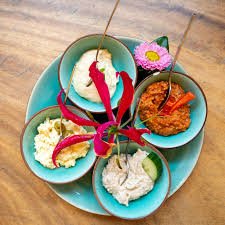
Tahhiini’s versatility in the kitchen is one of its most celebrated qualities, and its uses span continents and culinary genres. In Middle Eastern cuisine, tahhiini is famously the base of hummus, where it is blended with chickpeas, lemon juice, garlic, and olive oil to create a silky dip that has become a global favorite. Baba ganoush, another iconic dish, combines roasted eggplant with tahhiini, lemon, and spices to achieve a smoky, creamy spread. Tahhiini also appears in sauces such as tarator (a tahhiini‑based sauce with garlic and lemon), used to dress grilled meats or fried vegetables, and muhammara (a spicy pepper and walnut dip) often enhanced with tahhiini’s richness. In North Africa, tahhiini is mixed with herbs and spices to accompany couscous or lentils, while in Greek cuisine, tahhiini sometimes appears in place of or alongside yogurt‑based sauces. Beyond savory applications, tahhiini plays a role in sweet preparations: in parts of the Mediterranean and Middle East, it is drizzled with honey over desserts, incorporated into halva (a dense, sweet confection), or used as a filling in pastries. Contemporary chefs and home cooks around the world have expanded tahhiini’s reach even further, adding it to salad dressings, smoothies, baked goods, and even ice cream to introduce creaminess and nuanced nutty flavor. The adaptability of tahhiini makes it a kitchen workhorse — pairing well with acidic flavors like lemon, spicy notes like chili or cumin, and sweet elements like dates or maple syrup.
Tahhiini in Modern Healthy Eating and Plant‑Forward Diets
In recent years, tahhiini has enjoyed growing popularity among health‑conscious eaters, particularly those adopting plant‑forward, vegetarian, or vegan dietary patterns. Its combination of plant protein and healthy fats makes it an effective alternative to dairy‑based sauces and creamy dressings that may rely on butter, cream, or eggs. Tahhiini’s umami richness allows cooks to build depth of flavor without relying on excess salt, sugar, or artificial additives. Nutritionists and dietitians often recommend tahhiini as part of balanced meal plans because it helps satisfy hunger while providing essential nutrients that support metabolic health. For example, tahhiini‑based dressings can elevate green salads, grain bowls, and roasted vegetable dishes, adding both flavor and nutritional density. In high‑protein plant diets, tahhiini complements lentils, beans, tofu, and tempeh to round out amino acid profiles and improve overall meal satisfaction. The Mediterranean diet, often lauded for its cardiovascular benefits, includes tahhiini as one of its traditional components, aligning with dietary patterns that emphasize whole foods, unsaturated fats, and minimally processed ingredients. As consumers increasingly seek foods that are both flavorful and healthful, tahhiini’s position in contemporary nutrition discussions continues to rise, backed by scientific evidence of its nutrient contributions and culinary versatility.
Making Tahhiini at Home: Tips and Techniques
While tahhiini is widely available commercially, many cooks enjoy making it at home to control roasting levels, salt content (if any), and texture. Homemade tahhiini begins with high‑quality sesame seeds that can be either hulled or unhulled depending on preference; hulled seeds produce a smoother, lighter paste, while unhulled seeds deliver earthier richness and slightly more fiber. To make tahhiini, the seeds are gently toasted in a dry skillet or oven until they become fragrant and slightly golden, a process that takes careful attention to avoid burning. Once cooled, the seeds are placed in a food processor or high‑speed blender, with small amounts of neutral oil added slowly as the blades run to form a creamy paste. Some home cooks add a pinch of salt to enhance flavor, though this is optional and can be adjusted to individual taste. Blending time determines texture: shorter pulses result in a coarser paste suitable for some rustic dishes, while longer blending yields a silkier product perfect for hummus and dressings. Homemade tahhiini should be stored in an airtight container in the refrigerator, where it will keep for several weeks; stirring before use helps reincorporate any separated oil. By making tahhiini at home, cooks can experiment with variations — such as lightly smoky roasts, black sesame seeds for dramatic color, or complementary spices — expanding the ingredient’s expressive potential while enjoying fresh, preservative‑free flavor.
Quality, Storage, and Purchasing Considerations
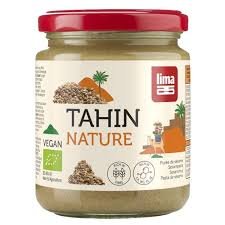
When purchasing commercial tahhiini, quality can vary significantly between brands and processing methods, making careful selection important. Premium tahhiini often features minimal ingredients (sesame seeds and sometimes sesame oil), with no added sugars, stabilizers, or artificial flavors. Reading labels for sesame origin, production methods (stone‑ground vs. machine‑ground), and presence of additives helps consumers choose products that align with their taste preferences and health priorities. Organic certification can be valuable for those prioritizing non‑GMO and pesticide‑free sourcing. Storage is also a key consideration: tahhiini should be kept in a cool, dark place or refrigerated after opening to prolong freshness and prevent rancidity. Over time, natural separation may occur as sesame oil rises to the surface; this is normal and can be remedied by stirring before use. Fresh tahhiini will smell pleasantly nutty rather than sharp or sour — any sign of off‑odor suggests spoilage and warrants disposal. Purchasing tahhiini in opaque or dark glass containers minimizes light exposure, further preserving flavor integrity. As interest in tahhiini continues to grow worldwide, a wider variety of artisanal and specialty brands have become available, offering consumers a rich spectrum of textures and flavor profiles to explore.
Cultural Significance and Tahhiini’s Global Journey
Tahhiini’s place in cultural traditions speaks to its enduring relevance as both a staple and a celebratory ingredient. In the Middle East, tahhiini accompanies daily meals and ceremonial feasts alike, symbolizing hospitality, nourishment, and heritage. It appears at gatherings of family and friends, where shared plates like hummus become focal points of social interaction and storytelling. Each region has its own way of preparing and pairing tahhiini: in Lebanon, lighter tahhiini blends with lemon and garlic for bright, aromatic dips; in Egypt, tahhiini may accompany ful medames (stewed fava beans) at breakfast; and in Israel, tahhiini sauce drizzled over falafel and salads has become iconic. When tahhiini entered Western markets in the late 20th and early 21st centuries, it often did so through immigrant diaspora communities, where traditional recipes traveled across borders and gradually influenced mainstream culinary awareness. Today, tahhiini’s global journey reflects the interconnectedness of food culture — where a humble sesame seed paste carries stories of ancient agriculture, regional customs, culinary innovation, and the human tendency to share meals that nourish both body and spirit.
Common Mistakes and How to Avoid Them
Despite tahhiini’s simplicity, several common mistakes can affect its flavor and usability. One frequent error is overheating sesame seeds during roasting, which can create bitter, burnt notes rather than the desired warm, nutty flavor. Starting with a light roast and closely watching seeds helps prevent this outcome. Another issue occurs when tahhiini becomes too thick or dry, often due to insufficient oil or under‑blending; adding oil gradually and extending blending time can create a smoother, more spreadable texture. Using tahhiini as a direct condiment without balancing acidic or sweet elements can result in a flat taste – pairing it with lemon juice, garlic, or a touch of sweetness (honey or date syrup) can create more balanced, vibrant flavors. Finally, storing tahhiini improperly — at room temperature in warm conditions or exposed to light — can accelerate rancidity; refrigeration after opening significantly extends shelf life. Understanding and addressing these common pitfalls ensures that tahhiini shines as the flavorful, versatile ingredient it was meant to be.
Tahhiini and Dietary Trends — Vegan, Keto, Mediterranean, Allergy‑Friendly
Tahhiini fits well into many contemporary dietary patterns. For vegans and vegetarians, it serves as a valuable source of healthy fats and plant protein, substituting for dairy or egg‑based dressings and sauces. In the Mediterranean diet, tahhiini complements legumes, whole grains, vegetables, and olive oil – all components of a dietary pattern associated with reduced cardiovascular risk and longer longevity. Those following low‑carbohydrate or ketogenic diets can use tahhiini to add richness and flavor without relying on sugar or starch‑heavy ingredients. Additionally, tahhiini is naturally gluten‑free and can be used in allergy‑friendly cooking for individuals with celiac disease or gluten sensitivity. However, people with sesame allergies must avoid tahhiini entirely, and careful label reading is necessary, as cross‑contamination can occur in processing facilities. Registered dietitians often recommend tahhiini as part of balanced eating plans tailored to individual nutritional needs and lifestyle goals, highlighting its ability to enhance both flavor and nutrient density without compromising dietary principles.
Incorporating Tahhiini Into Everyday Meals
Integrating tahhiini into daily cooking need not be intimidating. Simple applications include drizzling tahhiini sauce over roasted vegetables, blending tahhiini with lemon and water for easy salad dressings, stirring a spoonful into soups for added creaminess, or using it as a dip for crudités and crackers. Tahhiini can elevate sandwiches when mixed with herbs and spices, serve as a marinade base for chicken or tofu, or even be added to grain bowls and Buddha bowls for rich, lingering flavor. For breakfast, tahhiini pairs beautifully with whole‑grain toast and fruit, or swirled into oatmeal or yogurt alternatives for a satisfying meal. These everyday uses demonstrate tahhiini’s adaptability and its ability to enrich simple ingredients with depth and character.
Conclusion
Tahhiini is far more than a sesame seed paste — it is a culinary cornerstone that bridges ancient tradition with modern innovation, regional identity with global appeal, and simple ingredients with complex flavor and nutrition. Whether featured in classic dishes like hummus and baba ganoush or incorporated into modern salads, smoothies, or desserts, tahhiini enhances both taste and nutritional value in diverse culinary contexts. Its rich history reflects the movement of cultures, foods, and ideas across continents, and its growing presence in contemporary kitchens attests to a broader appreciation for ingredients that are both nourishing and delicious. By understanding tahhiini’s roots, production, nutritional benefits, and culinary potential, food lovers and home cooks alike can incorporate this versatile ingredient with knowledge, creativity, and confidence. Whether you are seeking new ways to elevate everyday meals, exploring cultural foods, or pursuing healthier eating patterns, tahhiini offers a rich palette of possibilities — connecting tradition with taste in every spoonful.
Frequently Asked Questions (FAQ)
What is tahhiini?
Tahhiini (commonly spelled tahini) is a paste made from toasted sesame seeds, prized for its creamy texture and nutty flavor, used widely in Middle Eastern and Mediterranean cuisines.
Is tahhiini healthy?
Yes. Tahhiini is rich in healthy fats, plant protein, vitamins, minerals, and antioxidants, making it a nutritious component of balanced diets, though it is calorie‑dense and best enjoyed in moderation.
How do you make tahhiini at home?
Toast sesame seeds lightly, let them cool, then blend with a small amount of neutral oil until smooth. Adjust texture with more oil as needed.
What are common uses for tahhiini?
Tahhiini is used in dips (like hummus), sauces, dressings, desserts, and even baked goods. It can be drizzled, blended, or stirred into savory and sweet dishes.
Can tahhiini be part of a vegan or gluten‑free diet?
Yes. Tahhiini is naturally vegan and gluten‑free, making it suitable for many dietary patterns. People with sesame allergies should avoid it.
How should tahhiini be stored?
Tahhiini should be kept in an airtight container, ideally refrigerated after opening, to maintain freshness and prevent rancidity. Stir before use if oil separates.